
Suicide, Crime, and Judgment
Night TrainThis theme-focused thread examines the legal and moral burden attached to suicide, and Mike's resistance to judging Jennifer by the city's categories.
increasing Bearing strength in each event
 decreasing
Bearing strength in each eventdecreasingA Death Investigated

A Death Investigated
Suspicion as Procedure
Because Jennifer dies violently and outside medical care, her body must be examined. The investigation begins with classification rather than moral interpretation.
The City's Reach
Mike later notes that the city treats suicide as a crime, even when the person who died escapes punishment. The legal framework shadows the family’s private grief.
An Old Penalty

An Old Penalty
The Historical Burden
Mike recalls that suicides once lost their property and could be denied ordinary burial. The historical treatment links self-killing to criminal and religious condemnation.
A Modern Echo
Although the formal penalties have changed, the language of crime and disgrace persists. Jennifer's death remains subject to institutional and social judgment.
A Coroner's Friend

A Coroner's Friend
An Official Category
Jeff Bright returns an undetermined finding, after Tom presses for an accidental ruling. Mike observes that Bright is Tom's friend.
Classification Without Absolution
The finding does not say whether Jennifer intended to die, and it does not settle the family's emotional account. Official language limits what can be declared without ending dispute.
Refusing to Judge
Refusing to Judge
A Personal Position
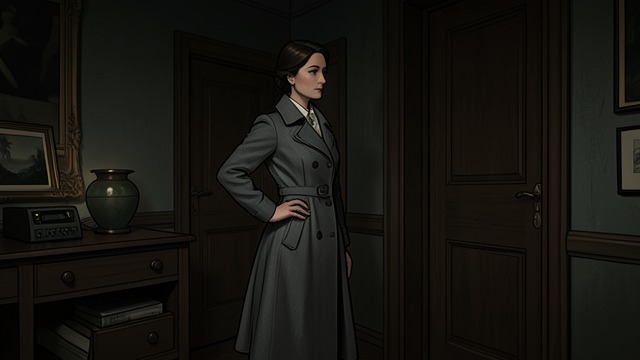
Mike says she has no need to judge Jennifer, even after concluding she killed herself. She understands suicide as one of the great collapses in which choice can become profoundly constricted.
Compassion Without Explanation
The refusal to condemn does not mean Mike knows why Jennifer died. It makes room for compassion where certainty is unavailable.
The Living Carry the Judgment
The Living Carry the Judgment
An Imposed Meaning
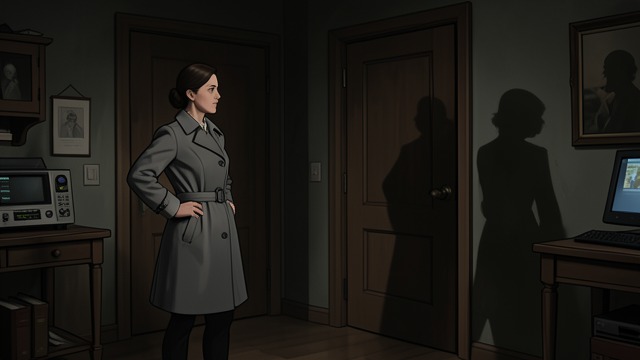
Mike reflects that the violence of Jennifer's method may feel like reproach to those left behind. She admits that the thought can make the living resent her.
A Final Resistance
She refuses to reduce Jennifer to a mad or selfish person. The dead cannot clarify their intentions, leaving survivors to manage both grief and interpretation.
March 4
Mid-March
After the autopsy report
March 16
April 2
